 EN
EN  ES
ES 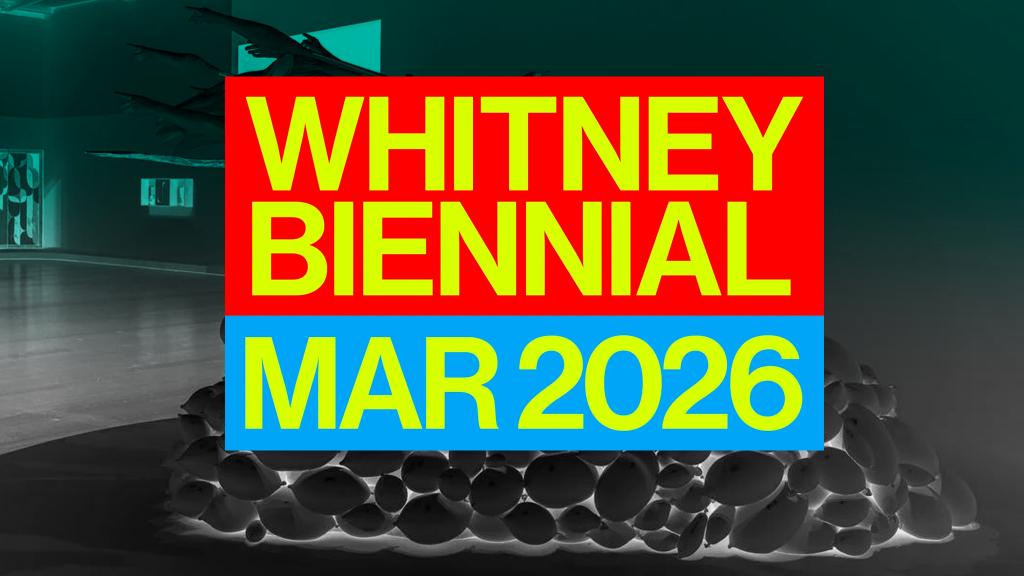
By Juan Butten
There is something deeply moving about walking into the Whitney just as evening begins to settle over the Meatpacking District and the New York light filters through its massive windows. It is the moment when the artworks stop being mere objects hanging on a wall and begin to breathe. This year, the Whitney Biennial does not greet you with the usual pyrotechnics of egos that the art market has desensitized us to; instead, it welcomes you with a collective whisper, with an almost uncomfortable warmth that forces you to slow down and listen.
It is very easy to stand in front of a collective piece and judge the final result, but what truly broke my heart and blew my mind this afternoon was sensing the invisible pulse behind it all. The work of curators Marcela Guerrero and Drew Sawyer has not been that of simple event organizers; they have acted as surgeons of memory. Managing to make a body of proposals so diverse, so wounded, and so alive dialogue under the concept of relationality without any single voice drowning out another is a colossal human triumph. Marcela, with her distinct sensitivity for tracing Latino identity and the roots that bind us to the land, and Drew, with his clinical eye for stripping down counterculture through photography, have achieved something exceptionally rare: they have made the Whitney feel like a community space, a sanctuary for the questions that nobody out there on the street wants to answer.
Walking through the fifth floor, one realizes that the curation here did not seek to impose a rigid academic thesis. On the contrary, you can sense that there were long conversations inside the artists’ studios, that the pain of their processes was truly listened to, and that the curators had the courage to let the imperfections speak for themselves. They managed to intertwine cold technology with the oldest myths of our continent, proving that in this corner of the world, we are all connected—whether we like it or not—by the exact same infrastructures and the same grief. I stepped out onto the High Line with my eyes full of images and my heart a little heavier, grateful that there are still curators who are not afraid of tenderness or brutal honesty. They have given us a map to understand ourselves today.
#WhitneyBiennial2026 #MarcelaGuerrero #DrewSawyer #WhitneyMuseum #WhitneyBiennial #BienalDelWhitney #WhitneyCurators #CuratorialVision #AmericanArtNow #Relationality #Interrelacionalidad #WhitneyMuseumOfAmericanArt #NewYorkArtScene #ArtInNYC #MeatpackingDistrict #GansevoortStreet #JuanButtenCronicas #CronicasDeArte #JuanButten #CriticaDeArte