 EN
EN  ES
ES 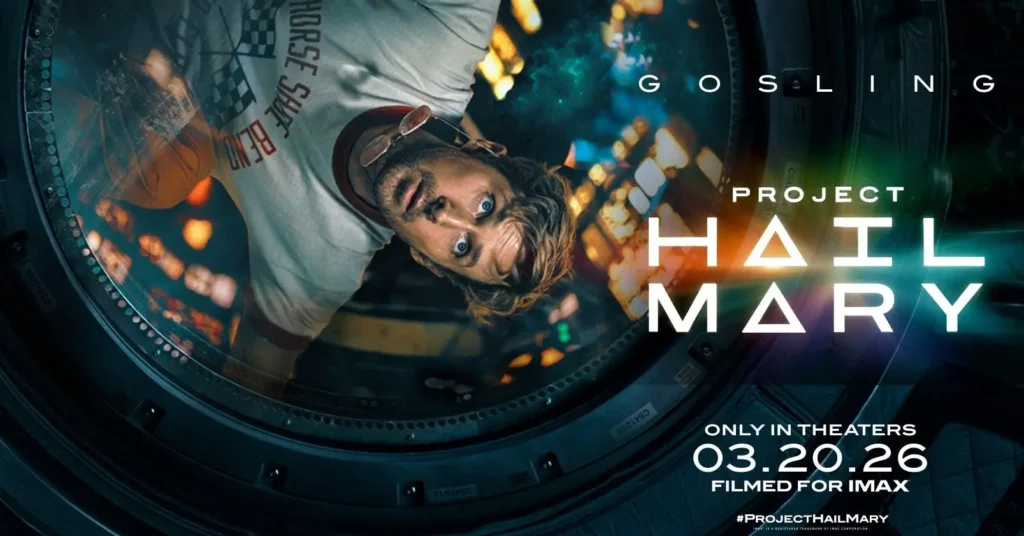
By Juan Butten
There was a time, not so long ago, when looking up at the night sky through the lens of a movie screen felt like signing a pact with pessimism. For years, Hollywood seemed obsessively determined to remind us that outer space was nothing but a cold, sterile abyss of existential dread—a terrifying vacuum where astronauts were destined to lose their minds, freeze to death, or tear each other apart in the name of survival. We grew accustomed to a science fiction that was clinical, dark, and deeply nihilistic.
But then came March 2026, and with it, the breathtaking cinematic arrival of “Project Hail Mary.” What we have witnessed in theaters over the past few months is not merely a historic corporate triumph for Amazon MGM Studios—shattering their box office records with a staggering $80.5 million domestic opening—but a symptom of a much deeper, cultural shift. Audiences were starving, possessing an almost desperate hunger, to feel optimism among the stars once again.
Watching Ryan Gosling wake up in the terrifying isolation of a spaceship, stripped of his memories but armed with the undeniable charm of a schoolteacher who relies on sheer logic and wit to keep from breaking down, is a masterclass in pure cinematic joy. Directed by the brilliant duo Phil Lord and Christopher Miller, this adaptation of Andy Weir’s novel consciously steers clear of pretentious solemnity. Instead, it delivers a visually stunning, photorealistic odyssey captured through the breathtaking lens of cinematographer Greig Fraser, yet it manages to feel as warm, intimate, and spontaneous as a late-night conversation with a close friend.
This global box office juggernaut, which has comfortably soared past $683 million worldwide, was not built on hollow explosions or generic apocalyptic threats. It was built on the back of an unexpected, profoundly moving alien friendship, the beauty of shared sacrifice, and the premise—almost revolutionary in today’s landscape—that human intelligence and genuine kindness can solve the most impossible equations.
“Project Hail Mary” works because it doesn’t ask us to fear tomorrow; it invites us to be absolutely fascinated by it. It proves that when today’s moviegoer sits in the dark, they aren’t always looking for a reflection of how grim the world has become. Sometimes, they just want a jolt of pure emotion, a healthy dose of scientific ingenuity, and the comforting certainty that even light-years away from home, we are never truly alone.