 EN
EN  ES
ES 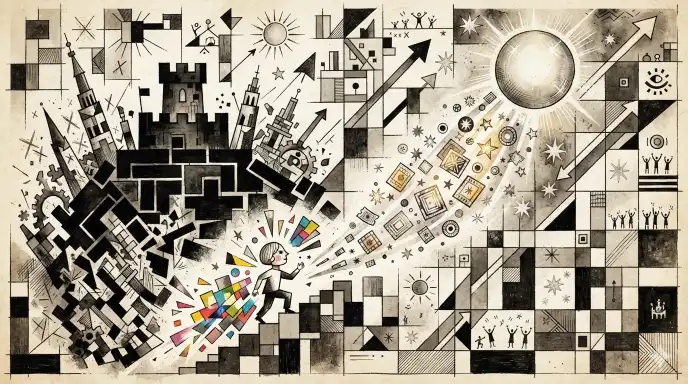
By Juan Butten
The executive offices in Burbank, California, smell of panic and cold coffee. For decades, Hollywood shareholders operated under an immutable law: to fill movie theaters, you needed a two-hundred-million-dollar budget, a global marketing campaign, and a franchise with fifty years of history behind it. That rule has just blown up. On this weekend’s box office charts, an independent horror feature film—conceived in a bedroom and directed by a 20-year-old kid born on YouTube—has outperformed the latest million-dollar spin-off of cinema’s most sacred galactic saga. The remote control of pop culture can no longer be bought with corporate checkbooks; it is earned with a subscription link.
The epicenter of this cultural earthquake has a name: Kane Parsons. While traditional production companies string together catastrophic failures trying to decipher what the elusive Generation Z wants, this young director revolutionized horror cinema by transforming his viral universe of the Backrooms—those yellow, claustrophobic mazes born from internet folklore—into an absolute cinematic phenomenon. His film did not require A-list stars or digital effects outsourced across three continents. It was enough for him to understand the raw, analog, and magnetic language of an audience that no longer believes in Hollywood’s flawless heroes, but in the collective nightmares created on internet forums.
The great irony revealed by this chronicle is that the collapse of the traditional model is not due to a lack of money, but to an excess of creative bureaucracy. Multimillion-dollar franchises have become corporate design products—so clean, predictable, and pre-chewed that they have ended up anesthetizing the viewer. In contrast, internet-native content creators are storming the box office with the “guerrilla filmmaking” of the 21st century. Armed with minimal budgets, consumer cameras, and a direct connection to millions of followers, these young filmmakers inject a visceral, imperfect, and dangerous narrative into theaters that the traditional industry forgot how to manufacture a long time ago.
Audiences no longer go to the movies to see a studio logo; they go to look for a community. When theaters fill up to watch a YouTuber’s work, the atmosphere is not that of a commercial screening, but that of a live event. The viewers know the creator, they have watched his process in fifteen-minute videos, they have theorized in the comments, and they feel the film’s success as their own victory against the old system. Social media networks have ceased to be mere promotional platforms and have become the true film schools of tomorrow, where the only admission metric is the ability to keep eyes glued to the screen.
When the house lights come up and industry analysts review the box office charts, the conclusion is as brutal as it is fascinating. Hollywood spent years protecting its walls against streaming, downloads, and piracy, without realizing that the real danger would come from a generation that does not ask for permission to create. Young YouTubers have proven that the giant has feet of clay. The box office no longer belongs to the old cinematic empires; it belongs to anyone capable of capturing the world’s attention from their own bedroom.